Automatic? Boeing Test Pilot Explains How The 777X’s Folding Wings Work
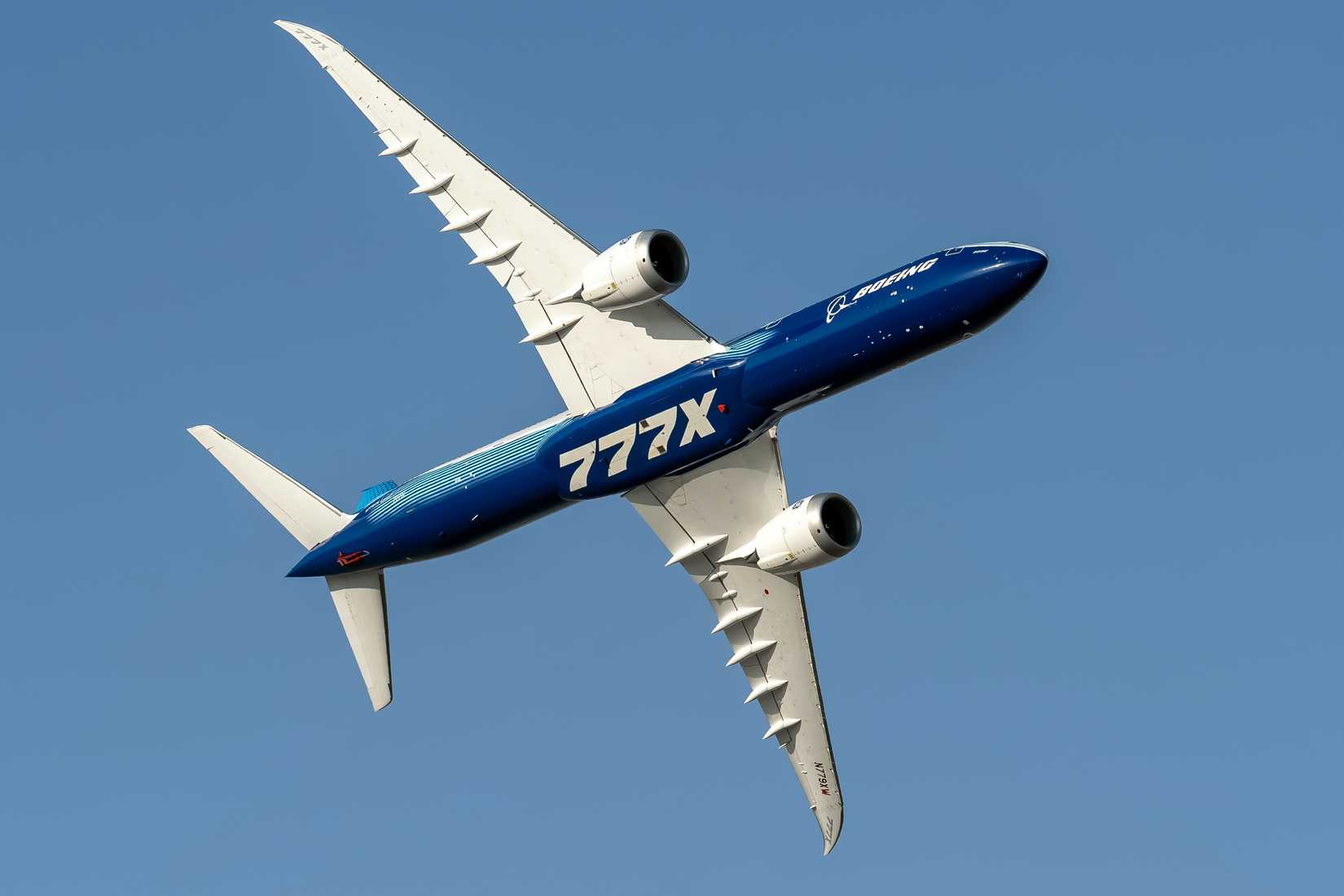
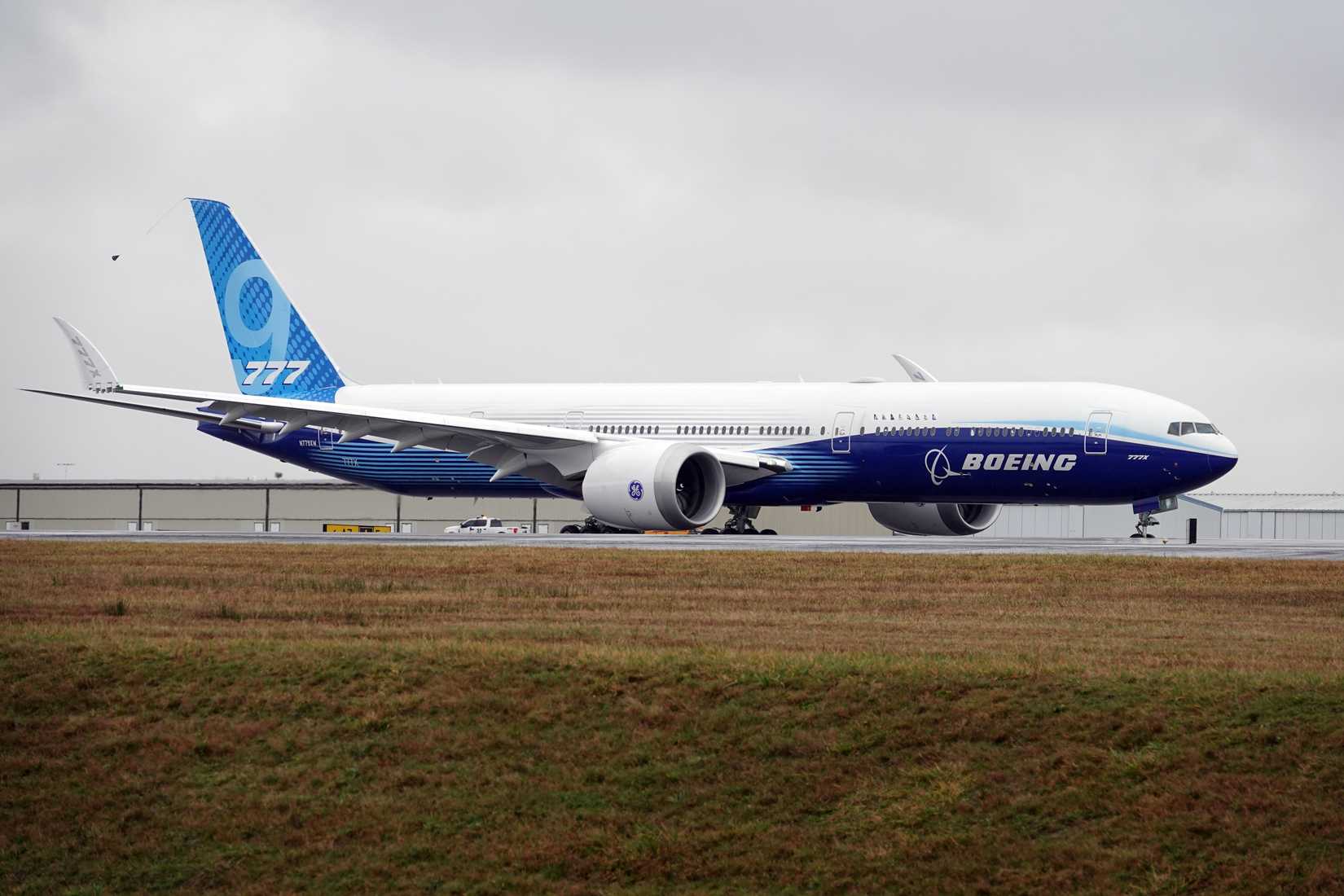
Boeing's 777X incorporates a folding wingtip system that functions as an integrated aircraft system rather than a passive structural feature, and its operational logic reflects careful attention to crew workload, runway safety, and airport compatibility. According to a Boeing test pilot's explanation at the Dubai Airshow in November 2025, the wingtips are managed through a dedicated overhead cockpit switch and are treated as a pre-departure configuration item analogous to flap setting. The system provides escalating crew alerts if the wingtips are not extended prior to takeoff, with the ultimate safeguard being a commanded rejected takeoff. Once extended and confirmed via an EICAS-style "extended" indication, the wingtips are electronically isolated and secured with a mechanical locking bolt, making inflight folding a physical impossibility rather than merely a software-inhibited function. The automation logic runs in the opposite direction after landing: the wingtips fold automatically at 50 knots ground speed, eliminating a discrete crew action during the high-workload runway rollout and exit phase.
The engineering rationale behind the folding wingtip is rooted in the aerodynamic demands of a very large, long-range widebody. The 777X's high-aspect-ratio wing generates the lift-to-drag efficiency necessary to support MTOW on routes exceeding 8,700 nautical miles, but that same geometry produces an extended wingspan of 235 feet 5 inches — a dimension that would conflict with ICAO Aerodrome Reference Code F gate infrastructure at many major international hubs. By folding approximately 22 feet 8 inches of wingtip on each side, the ground footprint drops to 212 feet 9 inches, keeping the aircraft within the dimensional envelope of Code E infrastructure already in place at most large airports. This approach allowed Boeing and its launch customers to avoid triggering expensive gate reconfigurations and taxiway upgrades that would have added substantial cost and logistical friction to 777X entry into service — a particularly significant consideration given that the 777-9, the program's highest-volume variant, is ordered predominantly by hub carriers operating at capacity-constrained airports.
From a flight operations standpoint, the folding wingtip introduces a new category of pre-takeoff configuration check that has no direct precedent in type-rated pilot experience on the existing 777 fleet. While flap configuration errors are addressed through standardized callouts, checklists, and TOWS alerts, the wingtip system represents an additional safety-critical parameter that must be internalized during 777X type training. The aircraft's escalating alert architecture — culminating in a takeoff rejection command — mirrors the philosophy applied to other configuration warnings, but the physical nature of the lock mechanism and the distinction between a software state and a mechanical state will require deliberate emphasis in simulator training and SOPs. Airlines transitioning crews from the 777-300ER will benefit from cockpit commonality in the flight deck layout and GE engine family familiarity, but the wingtip system will demand specific procedural discipline that does not exist in current 777 or 787 type certificates.
The 777X program's two primary passenger variants — the 777-8 with 395 seats and 8,745 nautical mile range, and the 777-9 with 426 seats and 7,285 nautical mile range — position the family differently within the widebody competitive landscape. The 777-8's range performance makes it a direct competitor to the Airbus A350-900ULR and A350-1000 on ultra-long routes, while the 777-9 occupies the high-capacity, medium-ultra-long segment previously served by the 747-400 and 777-300ER. The exclusive use of the GE9X engine, continuing a trend established with the 777-200LR and 777-300ER's single-source GE90 dependency, simplifies fleet maintenance planning for operators but concentrates supply chain risk on a single powerplant provider — a consideration that has gained heightened attention across the industry following recent engine availability disruptions affecting narrowbody and widebody fleets alike.
The broader significance of the 777X's folding wingtip extends beyond the Boeing program itself, representing a potential template for future very large aircraft designs as aerodynamic efficiency requirements push wingspan dimensions upward against fixed airport infrastructure limits. As next-generation widebodies across all manufacturers are optimized for fuel burn and emissions performance, the tension between aerodynamic ideal geometry and physical airport constraints will intensify. The 777X demonstrates that mechanically folding control surfaces — long a feature of naval carrier aircraft — can be engineered to airliner safety standards with appropriate redundancy and crew interface design. For operators, ground handling teams, and airport planners, the 777X's entry into service will serve as the first real-world proving ground for whether folding wingtips can be integrated into high-frequency hub operations without introducing meaningful reliability, maintenance, or operational safety complications.













 Read original article