The Hidden Math Behind Southwest Airlines' Assigned Seating Gamble With 800+ Boeing 737s
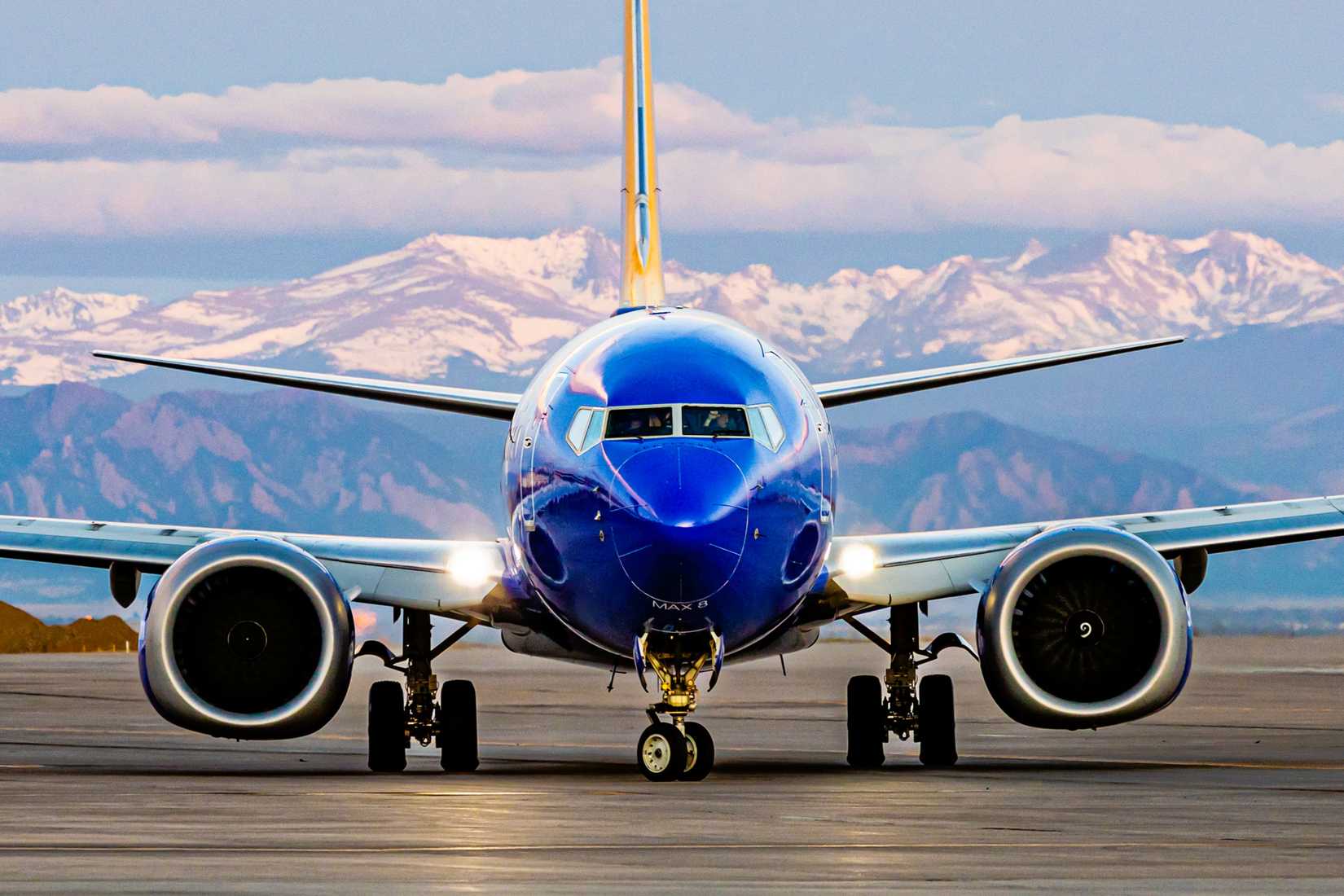
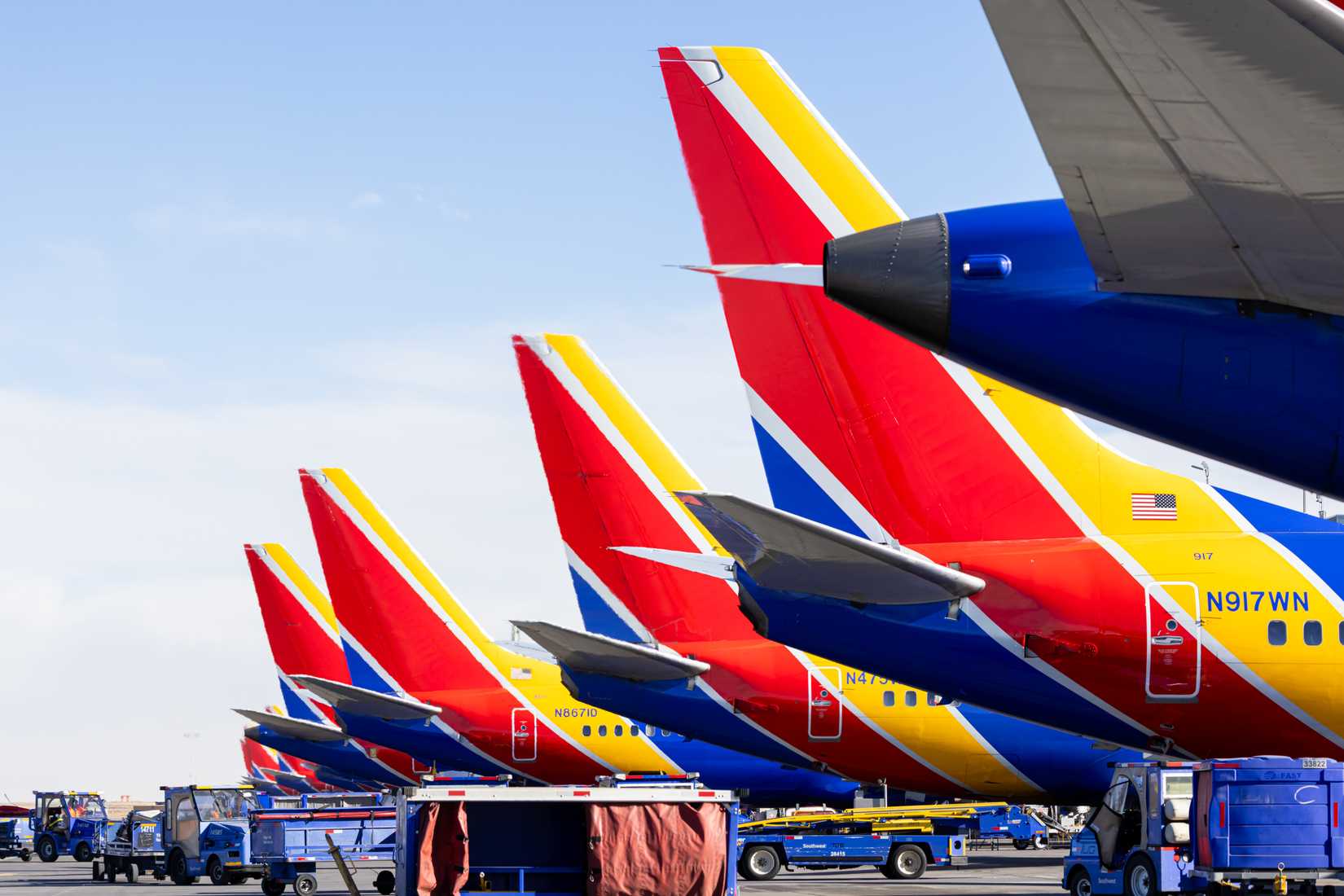
Southwest Airlines' transition from open seating to assigned seating, completed in January 2026, represents one of the most operationally consequential self-imposed changes any major U.S. carrier has undertaken in decades. The airline's open-seating system was never merely a brand differentiator — it was an engineered efficiency mechanism that supported the carrier's unusually high aircraft utilization rates across a fleet of more than 800 Boeing 737s. Southwest aircraft routinely flew five to seven daily segments, and the carrier historically targeted gate turnaround times of 25 to 35 minutes. That combination of high frequency and fast turns produced an operational model fundamentally different from hub-and-spoke carriers, one where even marginal increases in gate time compound into significant schedule degradation across a full flying day.
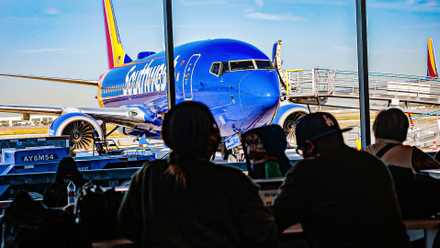
The behavioral dynamics of assigned seating create measurable friction that open seating was specifically designed to avoid. Under the previous system, passengers self-sorted continuously through the cabin without stopping to verify row numbers or compete for overhead space near a fixed seat assignment. The new eight-group boarding process introduces exactly the congestion patterns that Southwest spent decades engineering around: aisle-blocking passengers searching for bin space proximate to assigned seats, backward movement through crowded cabins, and increased flight attendant involvement in routine baggage management. These are not novel problems for the industry — legacy carriers have managed them for years — but Southwest's network density means the efficiency penalty applies simultaneously across thousands of daily departures rather than being absorbed by longer turn times or lower frequency schedules built into hub operations.
For professional pilots and aviation operators, the Southwest transition illustrates a principle that applies well beyond one carrier's brand experiment: aircraft utilization math is unforgiving at scale. Airline captains and dispatchers understand that gate delays rarely stay contained to a single leg. An aircraft that absorbs an extra 8 to 12 minutes at its first station can arrive late at subsequent destinations, trigger downstream ground holds, and ultimately require schedule recovery through speed adjustments, reduced taxi sequencing margins, or unplanned crew rest complications. At an airline operating Southwest's segment volume, even a two-minute average increase in boarding time across the fleet translates to thousands of additional blocked hours per day — time that previously converted directly into revenue. The fleet math becomes more consequential given Southwest's ongoing Boeing delivery shortfalls, which have constrained the carrier's ability to add capacity precisely when its business model is undergoing structural reform.
The Southwest situation also reflects a broader inflection point in commercial aviation where ancillary revenue pressure is reshaping operational architecture. Carriers across the industry have increasingly monetized boarding position, seat selection, and premium cabin access, and Southwest's move toward assigned seating with premium seat tiers places it in direct competition with legacy carriers on product structure rather than operational efficiency. That strategic pivot carries real costs for an airline whose cost structure was built on speed and simplicity rather than the layered service differentiation that justifies longer turns and more complex cabin configurations at network carriers. Whether the ancillary revenue gains from seat monetization offset the operational friction introduced by the transition remains an open question, but the fleet-level math — thousands of daily departures, each incrementally slower — establishes that the stakes of getting this transition wrong are substantial and compounding.






 Read original article