Airlines Are Stripping Brand-New Airbus A320neo Family Jets For Parts Because GTF Engines Are Worth More
Pratt & Whitney's geared turbofan crisis has escalated to a point that would have seemed implausible at the A320neo's 2016 entry into service: brand-new narrowbody jets, some with only a few years of flight cycles, are being systematically dismantled so their engines can be harvested as more valuable standalone assets than the aircraft themselves. The root cause traces to flawed powder-metal disc components manufactured between 2015 and 2021, which allowed microscopic cracks to propagate under normal heat and stress cycles, creating the risk of uncontained disc failures. Regulatory responses from the FAA and EASA slashed inspection intervals from roughly 5,000–7,000 cycles down to under 3,000 cycles — effectively halving engine service life — and the resulting flood of simultaneous shop visits overwhelmed global MRO capacity. What would normally be a 60-to-90-day overhaul turnaround stretched to 250–300 days, leaving up to 835 aircraft, approximately 38% of the world's GTF-powered A320neo family fleet, on the ground at any given time.
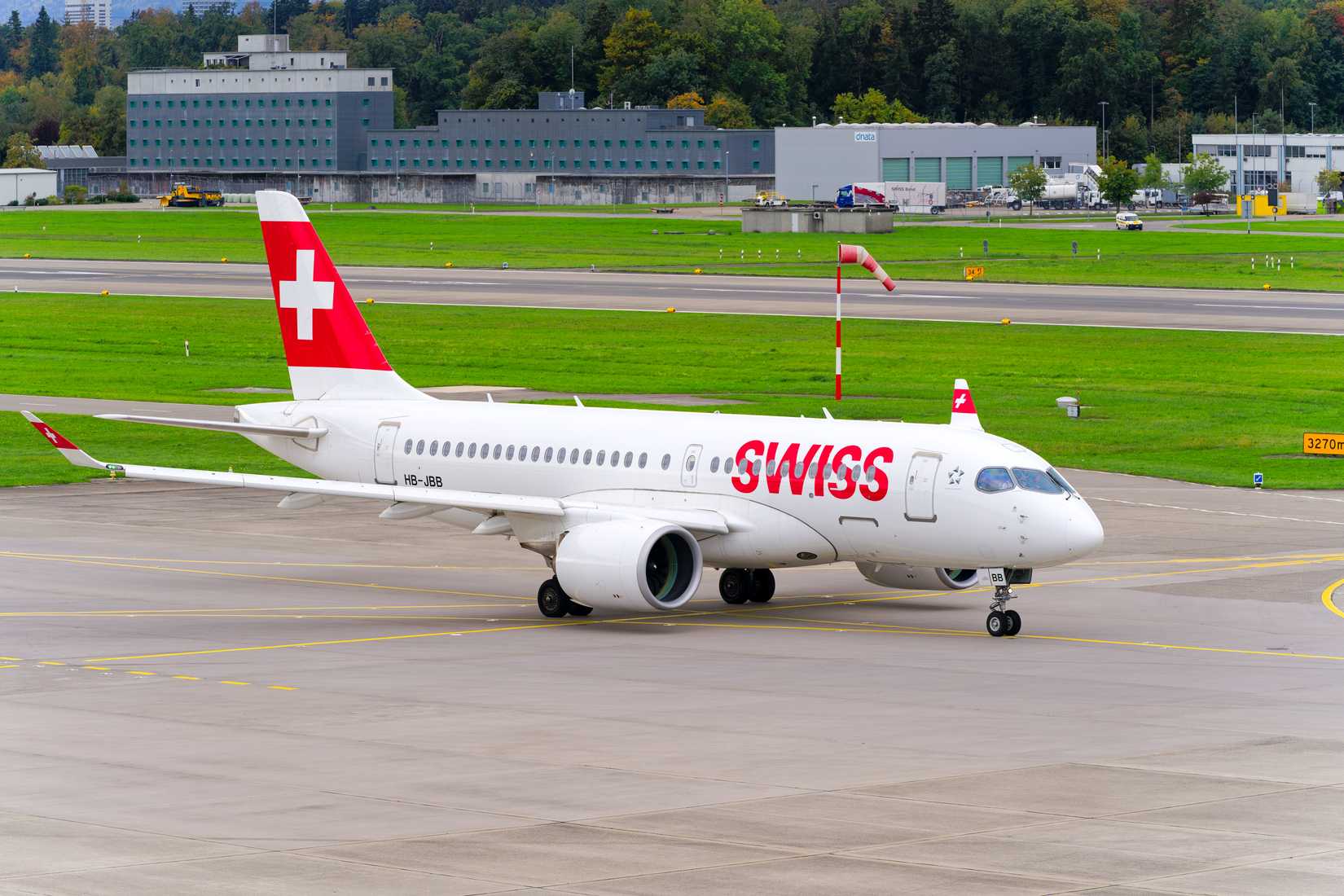
The economic logic driving aircraft disassembly is straightforward and stark. A single serviceable GTF engine commands lease rates near $200,000 per month in 2026, meaning a pair generates roughly $4.8 million annually — a figure that in many cases exceeds the economic value of operating the airframe itself. For airlines and lessors holding grounded jets with no near-term path to engine availability, monetizing those engines through teardown or green-time leasing is not a distress sale but a deliberate portfolio management decision. The cases of SWISS reallocating PW1000G engines from its A220-100 fleet to keep its larger A220-300s flying, and Air Austral retiring an entire fleet of aircraft averaging just 4.5 years of age, illustrate how operators at every scale have been forced into triage mode — prioritizing which airframes receive scarce powerplants based on revenue yield and network criticality rather than standard maintenance scheduling.
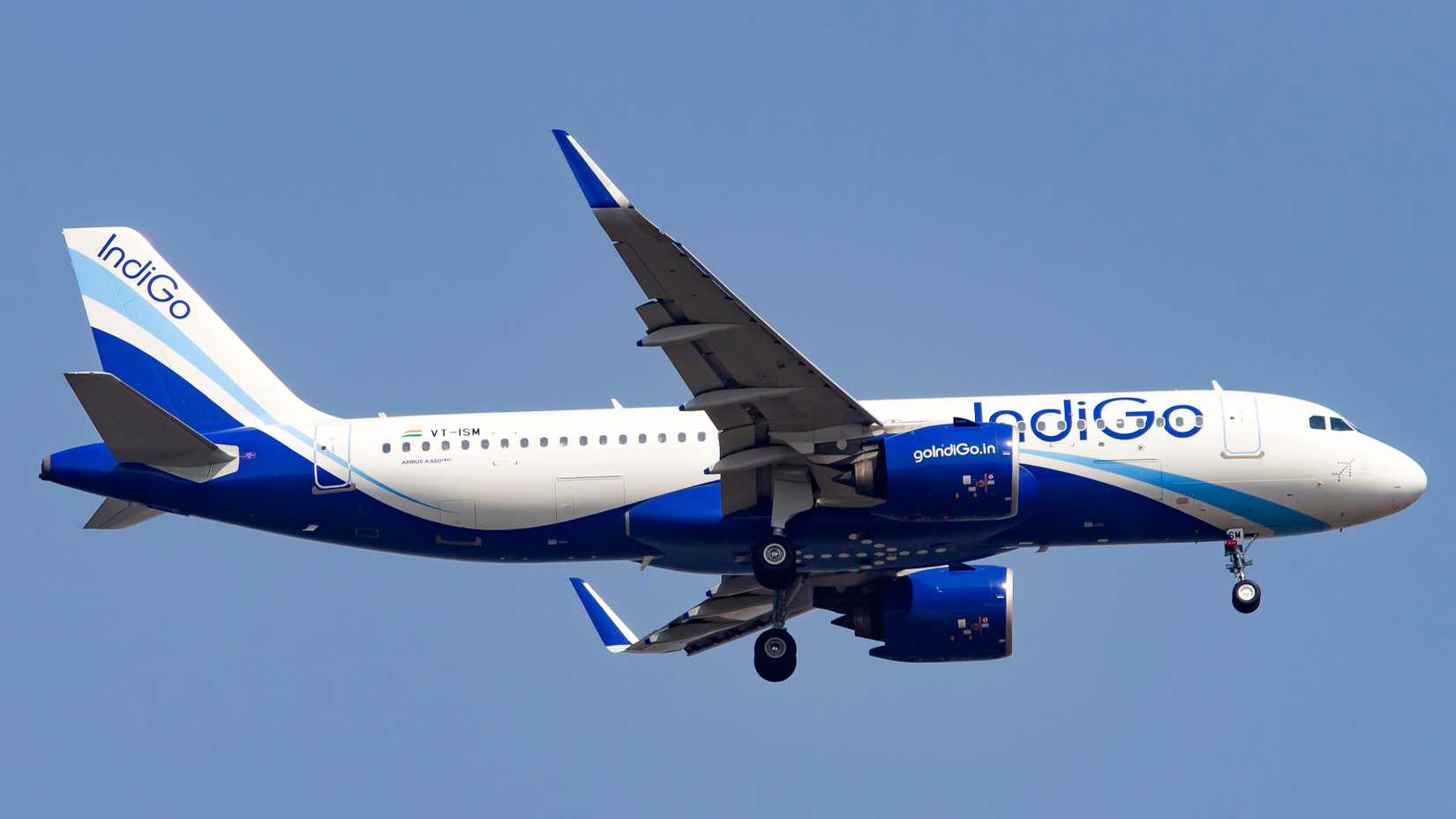
For airline pilots and crew planning departments, the practical consequences extend well beyond fleet count. Airlines operating mixed fleets of GTF and CFM LEAP-powered A320neo family aircraft have experienced asymmetric availability, creating scheduling instability and accelerated utilization pressure on unaffected airframes. Carriers like IndiGo, with 64 aircraft grounded representing 17% of fleet capacity, and Wizz Air, which sidelined over 40 jets through mid-2026, have had to wet-lease replacement aircraft, restructure networks, and in some cases renegotiate pilot scheduling agreements to accommodate drastically reduced flying programs. For crews on affected fleets, this has translated into irregular assignment patterns and in some cases involuntary leaves, while crews on unaffected aircraft have faced higher utilization and compressed rest windows as operators squeeze maximum productivity from what remains airworthy.
The GTF situation also carries significant implications for aircraft lessors, financiers, and the broader supply chain ecosystem that supports business and commercial aviation. The teardown of airframes still within their first decade of service represents a structural disruption to residual value assumptions that underpin aircraft financing and leasing models globally. If engines routinely appreciate faster than the airframes they power during periods of supply shock, it reframes how lessors structure portfolio risk and how airlines negotiate power-by-the-hour agreements and engine reserve funds. Pratt & Whitney's identification of the root cause and introduction of upgraded engine hardware and retrofit solutions offer a path toward resolution, but with hundreds of engines still cycling through extended shop visits and the MRO network only incrementally expanding capacity, the market distortion created by engine scarcity is likely to persist well into the late 2020s. The broader lesson for operators across Part 121 and business aviation alike is that supply chain fragility in powerplant manufacturing can cascade into fleet strategy, crew management, and capital allocation decisions in ways that were not contemplated when narrowbody operators committed to single-engine-type fleets.













 Read original article