Air Canada's New Airbus A321XLR Unlocks Routes Its Boeing 737 MAX 8s Could Never Fly Nonstop
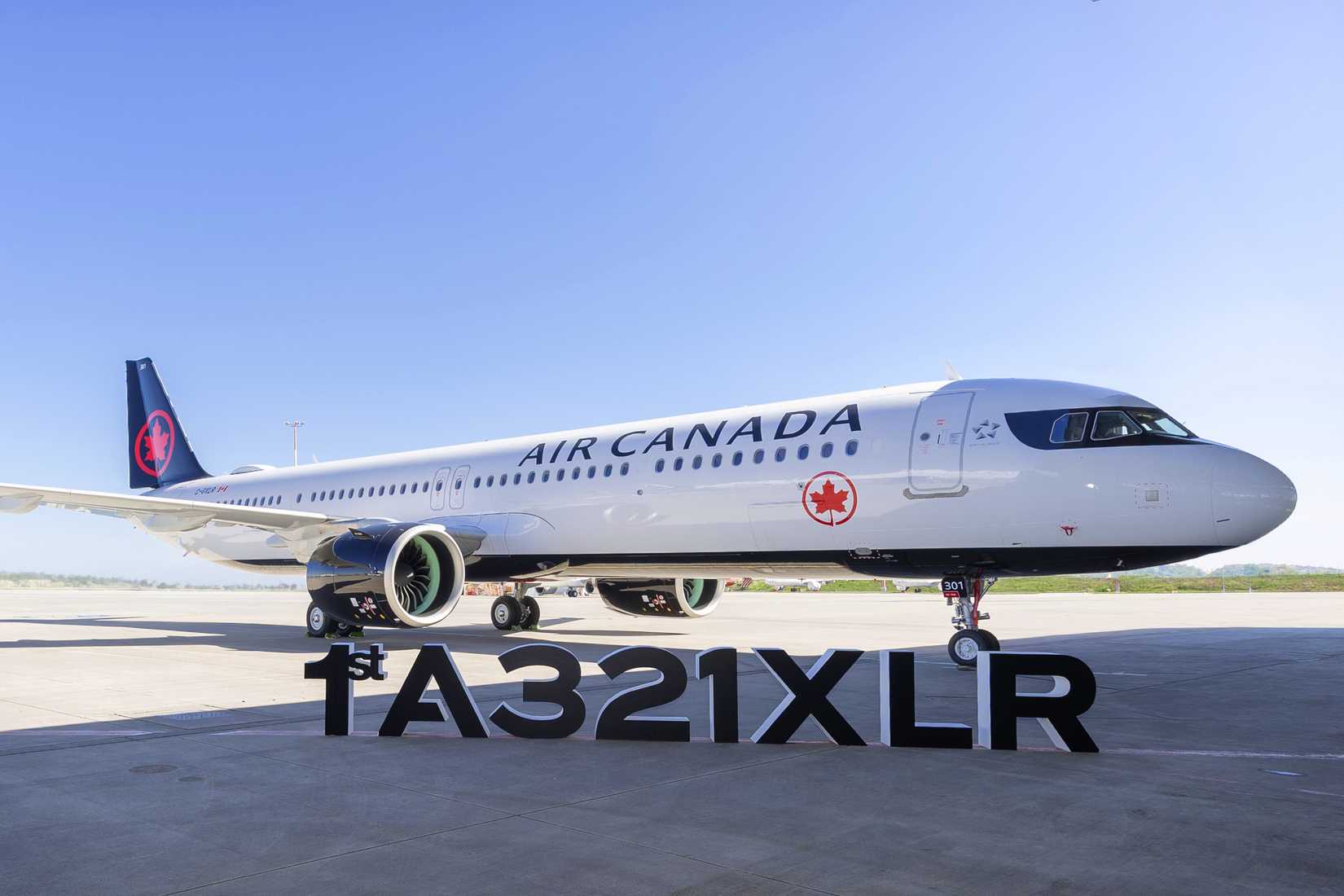
Air Canada's entry into A321XLR operations marks a consequential shift in how a major North American flag carrier structures its transatlantic network. The Canadian carrier received its first aircraft in April 2026 and will inaugurate revenue service on June 15 with the Montreal–Toulouse route, making it the second North American operator of the type after American Airlines. With 30 aircraft on order, Air Canada has committed to a narrowbody transatlantic strategy that will reshape crew planning, dispatch release procedures, and route economics across 12 segments during the 2026 summer and winter seasons. Notably, Air Canada's fleet will be Pratt & Whitney-powered, distinguishing it from American's CFM LEAP-equipped examples — a distinction with real-world implications for maintenance bases, engine health monitoring contracts, and MRO network planning across the continent.
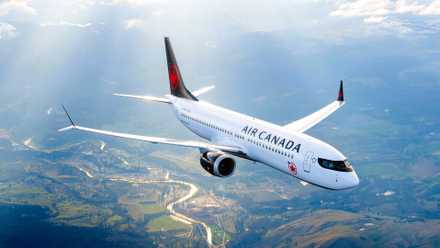
The A321XLR's technical profile deserves close attention from pilots and dispatchers accustomed to operating either the 737 MAX 8 or widebody equipment on these corridors. The aircraft's integrated rear tank — an engineering departure from the A321LR's three auxiliary center tanks — provides a certified range of 4,700 nautical miles at a maximum takeoff weight eventually slated to reach 101 metric tons. That figure represents a meaningful capability gap over the 737 MAX 8, which routinely operates at its practical range ceiling on transatlantic segments. GOL's Brasília–Orlando route at 3,282 NM represents approximately the outer edge of what the MAX 8 can accomplish commercially; the A321XLR pushes that frontier to segments like Iberia's Madrid–Santo Domingo at 3,617 NM. For flight operations departments, this means ETOPS planning, dispatch fuel calculations, and alternate airport selection for A321XLR routes will resemble widebody transatlantic procedures far more than domestic narrowbody operations — requiring crews qualified and proficient in oceanic flight environments on what is structurally a single-aisle airframe.
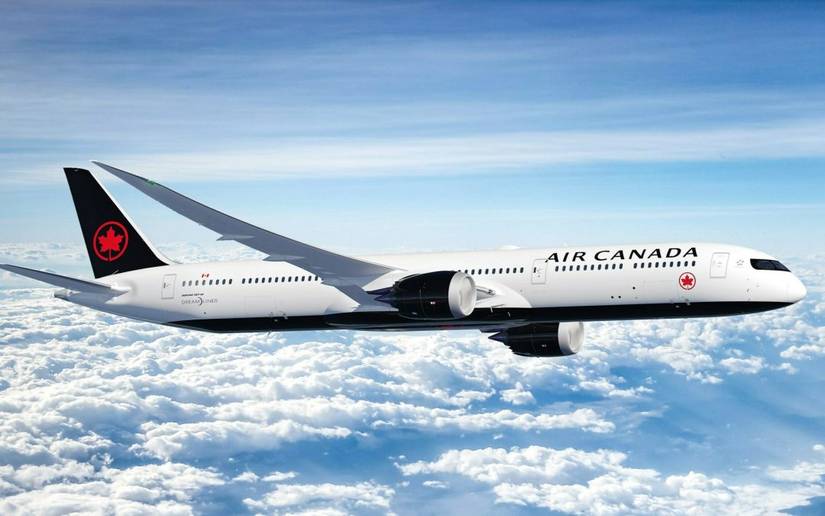
Air Canada's route table reveals a deliberate sequencing of the type into increasingly complex operations. Initial deployments from Montreal replace existing widebody services — Toulouse and Berlin previously operated with the 787-8, and Lyon with the 787-8/9 — signaling a conscious right-sizing of capacity on thinner European routes where a 182-seat narrowbody may generate superior unit economics compared to a 210-plus seat widebody. The replacement of 737 MAX 8 service on Montreal–Nantes and Montreal–Calgary with the A321XLR is equally telling: the XLR is being positioned simultaneously as a transatlantic specialist and a long domestic trunk replacement, collapsing what was previously a two-aircraft-type operational boundary. The October addition of Toronto hub operations — to Manchester, Copenhagen, and Tenerife — further indicates Air Canada intends the type to anchor a significant portion of its European feed, not merely supplement it.
For operators and aviation managers watching fleet strategy, the Air Canada deployment illustrates a broader industry realignment that is accelerating across all operational categories. The days when narrowbody crews could assume short, predictable duty periods are giving way to narrowbody oceanic flying with ETOPS authorizations, HF communications requirements, polar track considerations, and extended alternate planning. With United Airlines holding orders for 50 A321XLRs and American Airlines already operating the type, North American pilot groups will face growing pressure to qualify significant numbers of line pilots in oceanic procedures on narrowbody equipment. The A321XLR's 500-plus order backlog across more than a dozen airlines globally signals that this is not a niche experiment — it is a structural change to how medium-density international routes will be served for the next two decades, with significant downstream effects on training syllabi, crew rest requirements, and dispatch release standards across Part 121 and international operations alike.







 Read original article