Aircraft Development Archives - Leeham News and Analysis
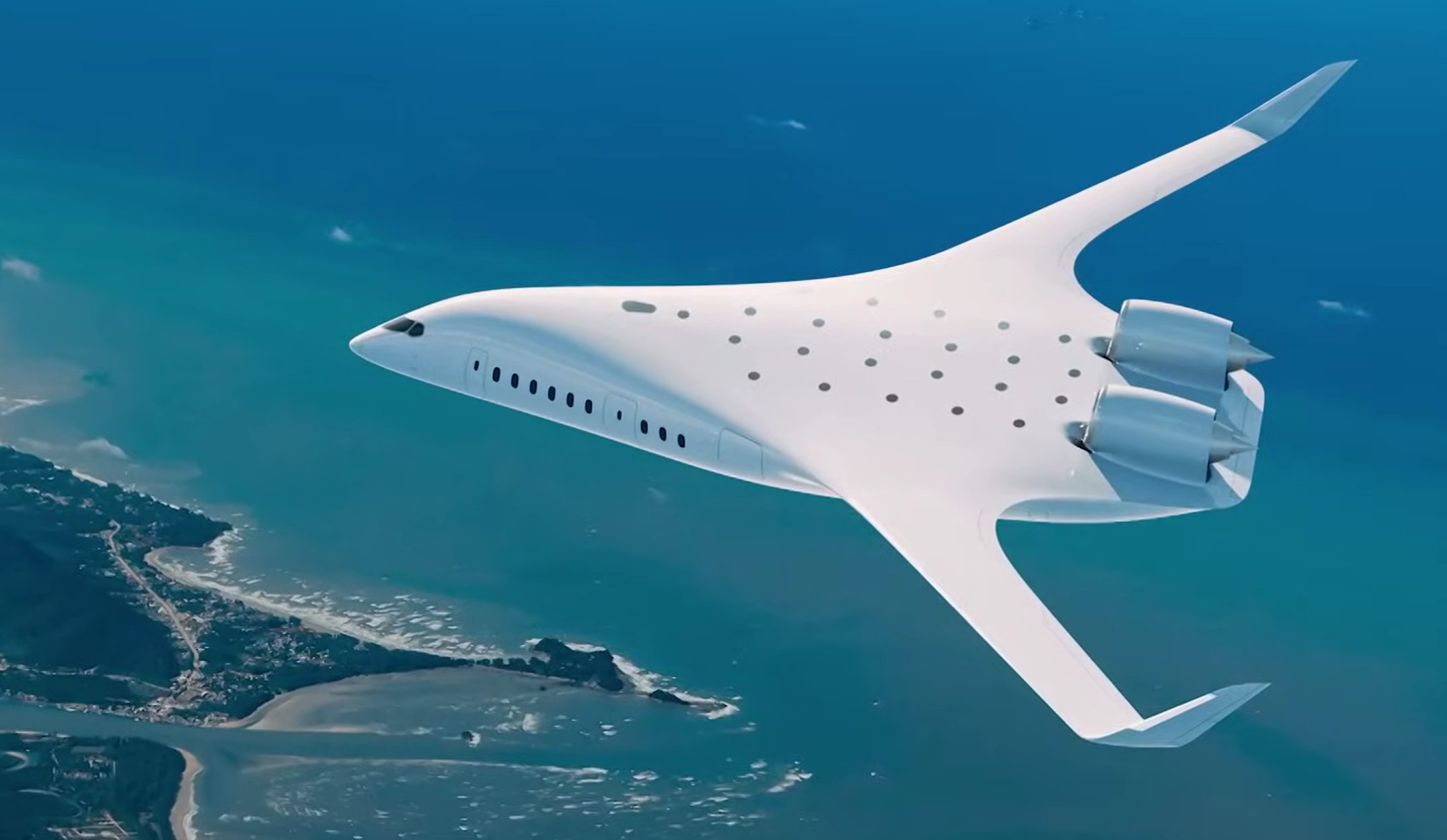
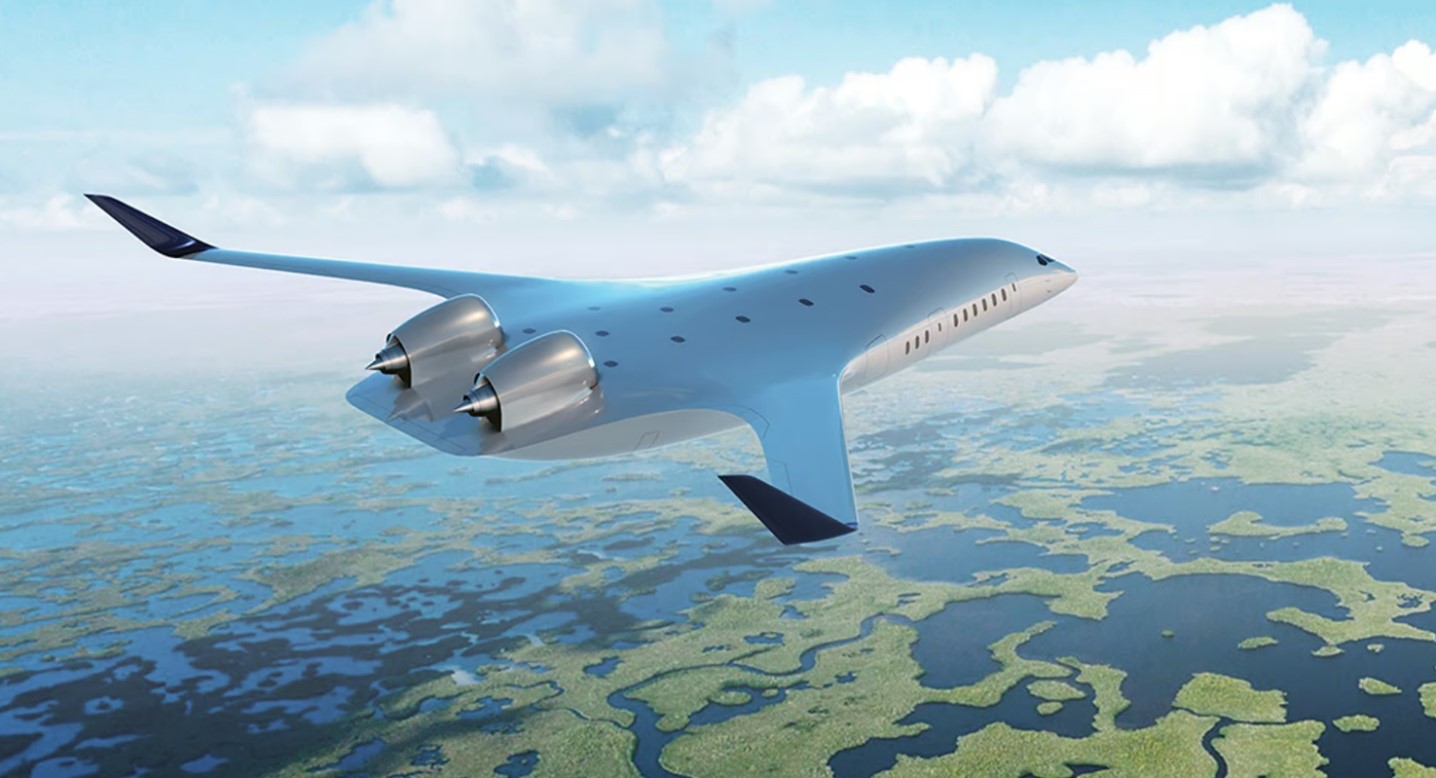
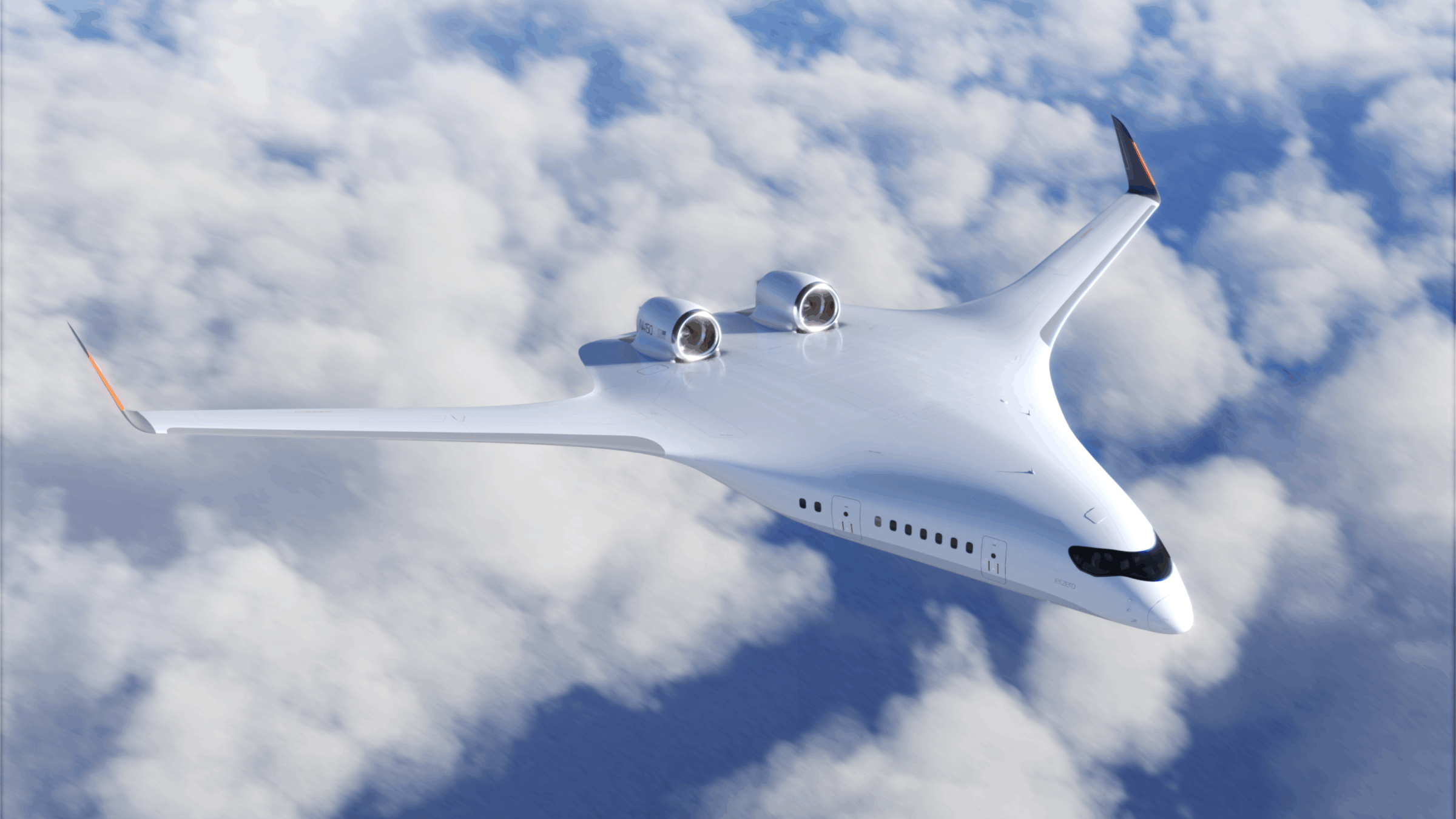
JetZero's Z4 Blended Wing Body concept, examined across a nine-part technical series by Leeham News analyst Bjorn Fehrm, represents one of the most structurally and operationally complex departures from conventional airliner design under active development. The series, concluding its primary analysis in May 2026, identifies the core aerodynamic advantage of the BWB — friction drag dominance over induced drag — as simultaneously the source of many of its engineering complications. Because friction drag governs the design, the Z4's optimal cruise altitude sits approximately 10,000 feet higher than a comparable Tube-And-Wing aircraft. That altitude offset drives engine requirements toward higher specific thrust and lower bypass ratios, directly contradicting the dominant trend in turbofan development, where successive generations reduce specific thrust to achieve better propulsive efficiency and lower fuel burn. JetZero's engine selection challenge is therefore not a matter of off-the-shelf procurement; the aircraft may require either purpose-built powerplants or significant modifications to existing high-BPR cores — a certification and development cost burden that compounds the program's already formidable structural obstacles.
The structural engineering challenge at the heart of the BWB is not simply that the fuselage disappears, but that the loads it used to isolate are now combined. In a conventional airliner, the cylindrical pressure vessel handles cyclic cabin pressurization loads through hoop stress — a geometry optimally suited to that task — while the wingbox separately manages aerodynamic bending, gust loads, and engine-out asymmetric forces. The Z4's wide, box-like pressurized cabin occupies the same structural envelope as the lifting surface, forcing fatigue-sensitive bending loads from pressurization cycles into the same material as wing aerodynamic loads. Fehrm's analysis makes clear this is not a theoretical inefficiency: it is a certification-critical structural problem that likely adds weight, complexity, and recurring maintenance burden compared to first-glance estimates. For maintenance planners and operators at Part 91K and Part 135 operations accustomed to the well-understood inspection cycles of tube-and-wing composites, the absence of established service data for this structural architecture represents a meaningful unknowing in long-term cost modeling.
Passenger cabin and safety considerations introduce further operational novelty. The Z4's interior replaces traditional fuselage windows with large screens displaying simulated external views, with natural light entering through roof-mounted skylights. Fehrm acknowledges openly that the psychological experience of this environment remains genuinely uncertain — widebody passengers already sit well away from windows, but their elimination entirely is a different design posture. More concretely consequential for regulatory and operational planning is the water landing scenario: the BWB's buoyancy geometry may not keep emergency exit doors above the waterline in a ditching event, potentially requiring skylight-integrated roof exits and means of passenger egress upward through the aircraft rather than outward through conventional overwing or door exits. That configuration would require revised emergency procedure training, revised flight attendant briefings, and potentially new regulatory guidance under 14 CFR Part 25 and equivalent EASA standards — none of which currently exist for this class of design.
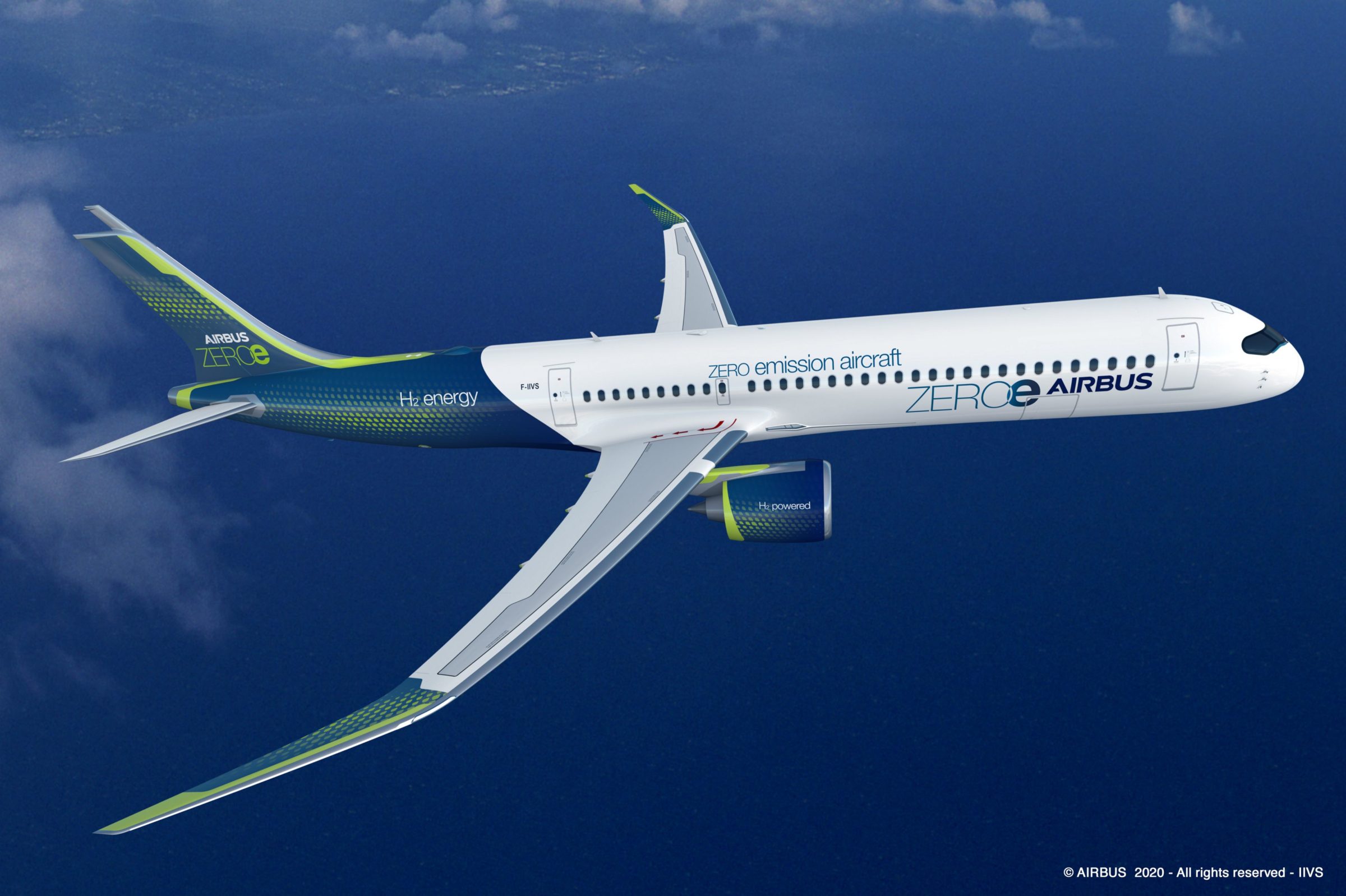
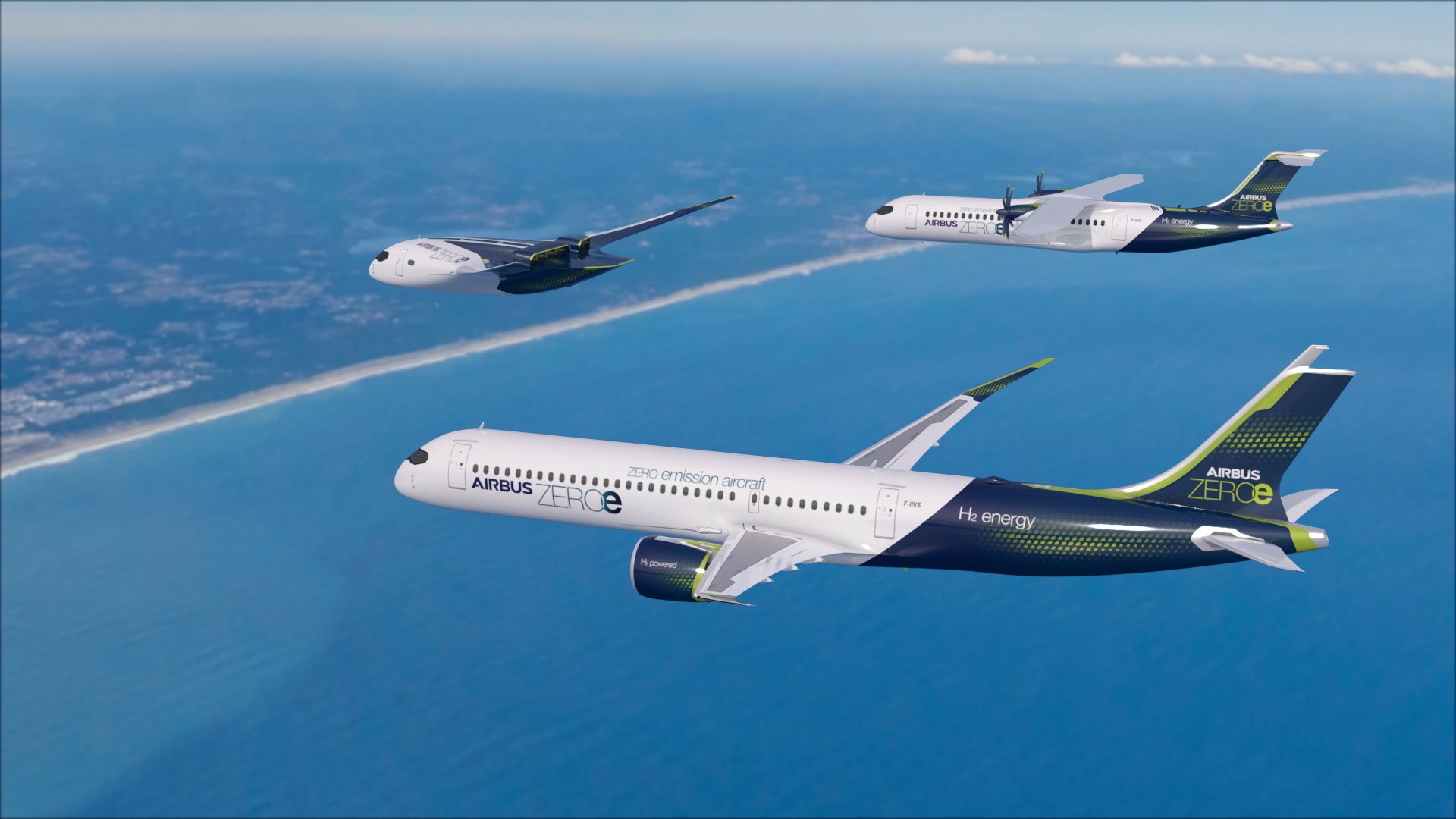
The parallel Leeham series on alternative propulsion — reaching its tenth installment by May 2026 — places BWB development in a broader design competition context. Hydrogen combustion in gas turbines and hydrogen fuel cell architectures are both under active technical analysis, with Airbus's ZEROe program serving as the reference case for the former. The common thread across all these development streams is the doubling of program timelines since the 1960s–1980s era, a trend Leeham's research identifies directly. For airline and large-cabin business jet operators engaged in fleet planning over ten-to-fifteen year horizons, this timeline reality is operationally significant: concepts like the Z4 that appear credible today are unlikely to reach Entry Into Service before the mid-2030s at the earliest under optimistic schedules, and cost and performance projections carry substantially wider uncertainty bands than mature-technology alternatives. Airbus targeting 75 A320-family units per month by 2027 and Boeing aiming for 52 737s per month by late 2026 underscore that the near-term fleet reality will be dominated by incremental evolution of proven designs, with transformational configurations like BWB remaining in the longer planning horizon.




 Read original article