The 777: The Art Form at Its Peak
Boeing's 777 program, launched in October 1990 and certified on April 19, 1995, stands as the apex of the company's pre-production change incorporation discipline — a rigorous engineering practice that governed how design modifications were identified, tracked, and incorporated into airframes already moving through the production system. Leeham News, in the fourth installment of a series examining Boeing's path toward recovery, frames the 777 as the moment when two decades of accumulated change-management experience converged with a genuinely transformative capability: full digital design using CATIA, which allowed Boeing to model the entire aircraft in three dimensions before a single physical part was fabricated. The program delivered on schedule by Boeing's own standards, and it earned simultaneous ETOPS-180 certification at entry into service — a feat that had no precedent in commercial aviation and that reflected the FAA's confidence in the rigor of Boeing's engineering and production processes.
The financial and operational stakes embedded in change incorporation discipline are made concrete by the United Airlines launch order. United committed to 34 firm aircraft and 34 options in October 1990, a transaction valued at approximately $11 billion, with a network plan built around specific delivery dates. Because Boeing's production system necessarily begins building customer aircraft long before a type certificate can be issued, the fleet that would eventually be delivered to United was already in various stages of assembly by the time certification concluded in April 1995. Each airframe had been built to the engineering state current at its specific moment in the production sequence, creating a unique configuration history for every individual aircraft. Writing change incorporation work packages for that fleet required assessing each airplane individually — a discipline-intensive, expensive process that the 777 program executed with a precision Leeham describes as the art form at its peak.
The series situates the 777 as "legacy Boeing's last hurrah" before the 1997 merger with McDonnell Douglas fundamentally redirected the company's institutional priorities. That framing carries significant weight for operators and pilots who work with Boeing equipment today. The engineering culture that produced simultaneous ETOPS-180 certification — a benchmark that directly expanded transoceanic routing flexibility and remains operationally relevant to every long-haul operator flying twin-engine widebodies — was a product of organizational values that the merger subsequently eroded. For flight departments evaluating fleet decisions and for airline operations planners who depend on certificated capability arriving on schedule, the 777's development history is not merely archival: it is a reference point for what rigorous production discipline actually produces in terms of reliability, on-time delivery, and regulatory confidence.
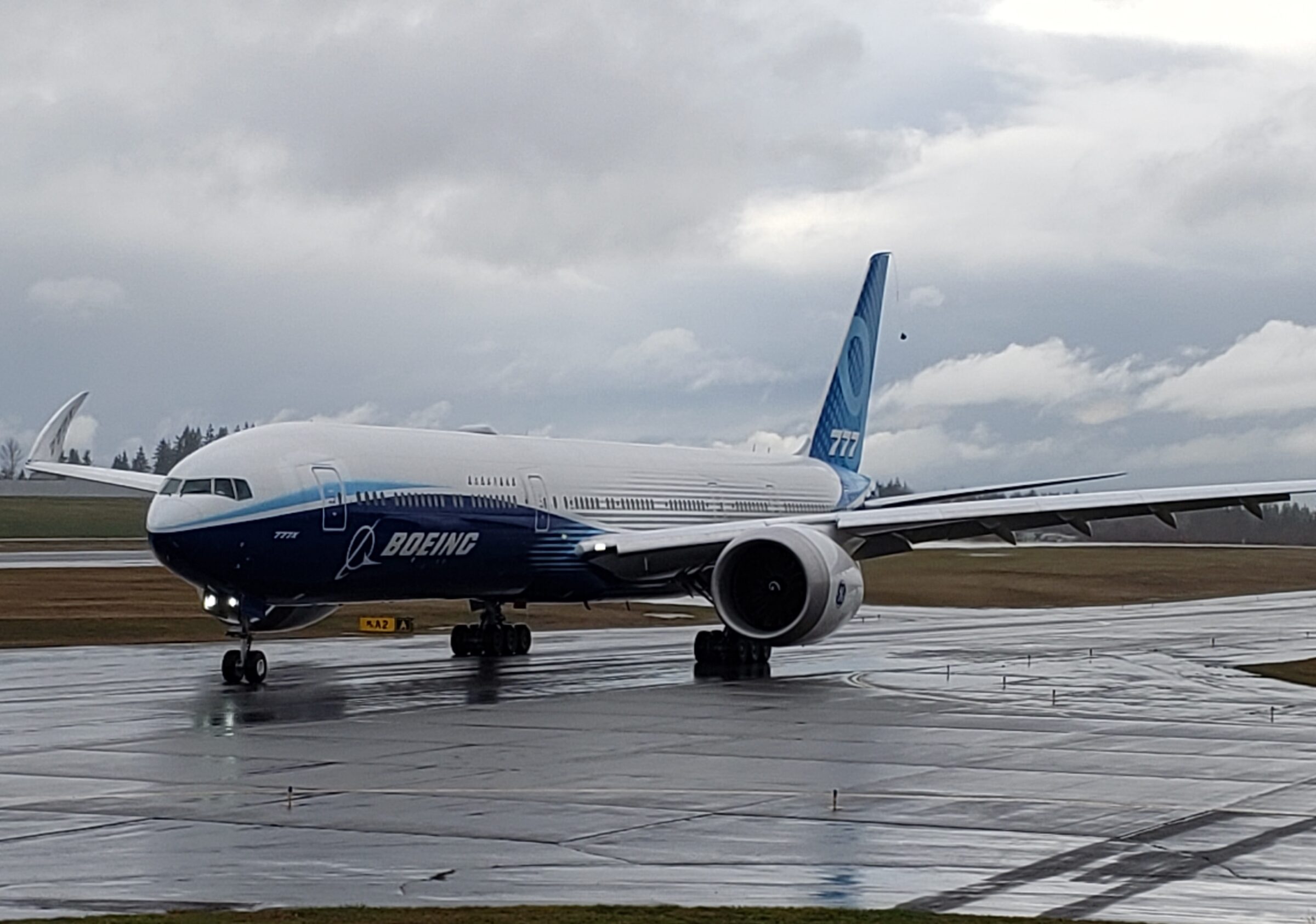
The broader context of the Leeham series — which has traced Boeing's arc from disciplined rework on programs like the 767 and 747-400 through what the publication characterizes as "distributed chaos" — is directly relevant to current operators managing 737 MAX and 787 fleets. The production quality escapes, fuselage panel incidents, and FAA oversight actions that have defined Boeing's recent public narrative are, in this analytical framework, downstream consequences of the cultural and structural changes that began after 1997. For Part 91K and Part 135 operators who are evaluating used 777 aircraft for acquisition, or for airline fleet planners weighing the 777X timeline and certification posture, the institutional contrast between the 777 Classic program and Boeing's current engineering governance is material information — not nostalgia. The 777's simultaneous ETOPS-180 approval at EIS remains a commercial aviation standard that later Boeing programs have not replicated under comparable scrutiny.




 Read original article